

The Main Digital Transmitters (i.e. the "6 MUX" digital transmitters) I to W
For explanatory notes on the content of this page see see page 1
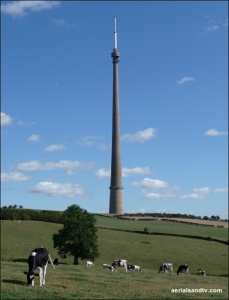
I
Idle SE 163 374, 3 miles N of Bradford.
Transmission power is 50W for all 6 MUXES.
Was originally an AV group for analogue, then it became a KV for digital at DSO until Feb 2020 when it reverted back to an AV. Most K group (or wideband) aerials continued to work fine however.
For the most up to date MUX to channel allocations etc put this postcode BD18 1JP into the DUK checker
For Idle we recommend the Yagi10K for strong signal areas, the Log36 or Yagi18K for medium signal areas, the Yagi18A or XB10A for poor signal areas and the XB16A for those with the most marginal signals. The dimensions and test performance of the aerials can be found on the relevant buy pages. See the wrong aerial for any A group transmitter.
Ivybridge SX 631 538, 2m south of Ivybridge.
All 6 MUXES transmitted at 50W.
Was a BV 3 MUX transmitter but was upgraded to a 6 MUX transmitter in spring 2019, when it became a KV group (B groups - and W/Bs - should still work however).
For the most up to date MUX to channel allocations etc put this postcode PL21 9NG into the DUK checker
For Ivybridge we recommend the Yagi10K for strong signal areas, the Log 36 or Yagi18K for medium signal areas, the Yagi18K or XB10K for poor signal areas and the XB16K for those with the most marginal signals. The dimensions and test performance of the aerials can be found on the relevant buy pages.
K
Keelylang Hill HY 378 102, 5 miles W of Kirkwall (Orkney Isles).
MUXES 1 to 3 are transmitted at 20kW and MUXES 4 to 6 at 10kW.
Was a originally a BH group for analogue and still is a BH for all 6 digital MIXES.
For the most up to date MUX to channel allocations etc put this postcode KW15 1SF into the DUK checker
For Keelylang we recommend the Yagi10K for good signal areas, the Log 36 or Yagi18K for medium signal areas, the Yagi18B or XB10B for poor signal areas and the XB16B for those with the most marginal signals. The dimensions and test performance of the aerials can be found on the relevant buy pages.
Keighley SE 069 444, 2 miles N of Keighley.
All 6 MUXES are transmitted at 2kW
Was a C/DV group for analogue and still was C/DV for all the digital until the 12 Feb 2020 when it became a KV group (CHs 29 to 46).
Most power is transmitted to the SW and little to the NE.
For the most up to date MUX to channel allocations etc put this postcode BD20 5RL into the DUK checker
For Keighley we recommend the Yagi10K for strong signal areas, the Log 36 or Yagi18K for medium signal areas, the Yagi18K or XB10K for poor signal areas and the XB16K for those with the most marginal signals. The dimensions and test performance of the aerials can be found on the relevant buy pages.
Kilvey Hill SS 672 940, Eastern suburb of Swansea.
All digital MUXES transmitted at 2kW.
Was an AV group for analogue and still is an AV for all the Digital.
For the most up to date MUX to channel allocations etc put this postcode SA1 7BL into the DUK checker
For Kilvey Hill we recommend the Yagi10K for strong signal areas, the Log36 or Yagi18K for medium signal areas, the Yagi18A or XB10A for poor signal areas and the XB16A for those with the most marginal signals. The dimensions and test performance of the aerials can be found on the relevant buy pages. See the wrong aerial for any A group transmitter.
Knockmore NJ 321 497, 10 miles SSW of Elgin.
Transmission power is 20kW for MUXES 1 to 3 and 10kW for MUXES 4 to 6.
Was originally an AH group for analogue, then became a wideband at DSO, before settling on a KH group (CHs 29 to 48).
For the most up to date MUX to channel allocations etc put this postcode AB55 6XP into the DUK checker
For Knockmore we recommend the Yagi10K for strong signal areas, the Log 36 or Yagi18K for medium signal areas, the Yagi18K or XB10K for poor signal areas and the XB16K for those with the most marginal signals. The dimensions and test performance of the aerials can be found on the relevant buy pages.
L
Lancaster SD 490 662, 3 miles N of Lancaster.
All six digital MUXES are transmitted at 2kW.
Was an AV group for analogue, and still is AV for digital.
For the most up to date MUX to channel allocations etc put this postcode LA5 8AF into the DUK checker
For Lancaster we recommend the Yagi10K for strong signal areas, the Log36 or Yagi18K for medium signal areas, the Yagi18A or XB10A for poor signal areas and the XB16A for those with the most marginal signals. The dimensions and test performance of the aerials can be found on the relevant buy pages. See the wrong aerial for any A group transmitter.
Lark Stoke SP 187 426, 8 miles S of Stratford U Avon.
All six digital MUXES are transmitted at 1.3kW.
Was an AV group for analogue then for digital it became KV.
For the most up to date MUX to channel allocations etc put this postcode B50 4NT into the DUK checker
For Lark Stoke we recommend the Yagi10K for strong signal areas, the Log 36 or Yagi18K for medium signal areas, the Yagi18K or XB10K for poor signal areas and the XB16K for those with the most marginal signals. The dimensions and test performance of the aerials can be found on the relevant buy pages. For those in poor signal areas only MUX6 is out of the A group, thus, by losing that MUX, you can get a significant increase in signal by swapping to an A group aerial
Note that Bromsgrove and Lark Stoke are a Single Frequency Network.
Limavady IC 711 296, 8 miles W of Coleraine (N Ireland).
Transmission power is 20kW for MUXES 1 to 3 and 10kW for MUXES 4 to 6
Was a C/DH group for analogue and remained a C/DH for digital, but became a BH (CHs 40 to 47) in Sept 19. Most C/D aerials will continue to work however.
For the most up to date MUX to channel allocations etc put this postcode BT49 9LJ into the DUK checker
For Limavady we recommend the Yagi10K for good signal areas, the Log 36 or Yagi18K for medium signal areas, the Yagi18B or XB10B for poor signal areas and the XB16B for those with the most marginal signals. The dimensions and test performance of the aerials can be found on the relevant tables.
Llanddona SH 583 810, 6 miles N of Bangor.
Transmission power is 20kW for MUXES 1 to 3 and 10kW for MUXES 4 to 6
Was originally a C/DH group for the analogue then became an E group for digital. Technically in Nov 2018 it became a BH (CHs 40 to 47) but all E group aerials (and widebands) continued working. In fact most old C/D groups should as well !
For the most up to date MUX to channel allocations etc put this postcode LL58 8YB into the DUK checker
For Llanddona we recommend the Yagi10K for good signal areas, the Log 36 or Yagi18K for medium signal areas, the Yagi18B or XB10B for poor signal areas and the XB16B for those with the most marginal signals. The dimensions and test performance of the aerials can be found on the relevant tables.
M
Malvern / Great Malvern SO 774 464, 8 m SSW of Worcester.
Transmission power is 400W for all 6 MUXES.
Was originally a C/DV group for analogue and digital, but became a KV (CHs 29 to41) in Mar 2018.
For the most up to date MUX to channel allocations etc put this postcode WR14 4AD into the DUK checker
For Malvern we recommend the Yagi10K for strong signal areas, the Log 36 or Yagi18K for medium signal areas, the Yagi18K or XB10K for poor signal areas and the XB16K for those with the most marginal signals. The dimensions and test performance of the aerials can be found on the relevant buy pages.
Margate TR 370 701, SE suburbs of Margate.
All 6 MUXES will be transmitted at 200W.
Was a BV 3 MUX transmitter but was upgraded to a 6 MUX transmitter in Oct 2019 when it became a KV group (B groups - and W/Bs - should still work however).
For the most up to date MUX to channel allocations etc put this postcode CT9 3RG into the DUK checker
For Margate we recommend the Yagi10K for strong signal areas, the Log 36 or Yagi18K for medium signal areas, the Yagi18K or XB10K for poor signal areas and the XB16K for those with the most marginal signals. The dimensions and test performance of the aerials can be found on the relevant buy pages.
Note that Ashford, Margate & Dover are a Single Frequency Network.
Mendip ST 564 488, 18 miles S of Bristol.
All six MUXES are transmitted at 100kW.
Was originally a C/DH group for analogue and stayed so at DSO, but it became KH (CHs 32 to 48) in Jun 2019.
For those in poor signal areas only one MUX4 is outside the A group, see Mendip Graph.
For the most up to date MUX to channel allocations etc put this postcode BA5 3LB into the DUK checker
For Mendip we recommend the Yagi10K for strong signal areas, the Log 36 or Yagi18K for medium signal areas, the Yagi18K or XB10K for poor signal areas and the XB16K for those with the most marginal signals. The dimensions and test performance of the aerials can be found on the relevant buy pages.
Midhurst SU 912 250, 20 miles NE of Portsmouth.
Transmission power is 20kW for MUXES 1 to 3 and 10kW for MUXES 4 to 6.
Was originally a C/DH group for analogue and stayed so at DSO, but it became KH (CHs 32 to 48) group in Oct 2019.
For the most up to date MUX to channel allocations etc put this postcode GU28 9EA into the DUK checker
For Midhurst we recommend the Yagi10K for strong signal areas, the Log 36 or Yagi18K for medium signal areas, the Yagi18K or XB10K for poor signal areas and the XB16K for those with the most marginal signals. The dimensions and test performance of the aerials can be found on the relevant buy pages.
Moel-Y-Parc SJ 123 701, 15 miles WSW of Birkenhead.
Power is 20kW for MUXES 1 to 3 and 10kW for MUXES 4 to 6.
Was a BH group for analogue channels and effectively it still is a BH for all its digital.
For the most up to date MUX to channel allocations etc put this postcode CH7 5UU into the DUK checker
For Moel Y Parc we recommend the Yagi10K for good signal areas, the Log 36 or Yagi18K for medium signal areas, the Yagi18B or XB10B for poor signal areas and the XB16B for those with the most marginal signals. The dimensions and test performance of the aerials can be found on the relevant buy pages.
N
Nottingham SK 503 435, 5 miles E of Nottingham.
Power is 400W for all 6 MUXES.
Was originally an AV group but it became KV for digital.
For the most up to date MUX to channel allocations etc put this postcode NG16 2SU into the DUK checker
For Nottingham we recommend the Yagi10K for strong signal areas, the Log 36 or Yagi18K for medium signal areas, the Yagi18K or XB10K for poor signal areas and the XB16K for those with the most marginal signals. The dimensions and test performance of the aerials can be found on the relevant buy pages.
O
Olivers Mount TA 408 869, Scarborough.
MUXES 1 to 3 are transmitted at 2kW, and MUXES 4 to 6 at 1kW.
Was a C/DV group and for analogue and remained so for digital, though it became AV (CHs 29 to 37) in Feb 2020.
For the most up to date MUX to channel allocations etc put this postcode YO11 2TZ into the DUK checker
For Olivers Mount we recommend the Yagi10K for strong signal areas, the Log36 or Yagi18K for medium signal areas, the Yagi18A or XB10A for poor signal areas and the XB16A for those with the most marginal signals. The dimensions and test performance of the aerials can be found on the relevant buy pages. See the wrong aerial for any A group transmitter.
Oxford SP 567 105, 4 miles NE of Oxford.
MUXES 1 to 3 are transmitted at 100kW, and MUXES 4 to 6 at 50kW.
Was originally a C/DH group for analogue and remained so for digital before it became a KH group (CHs 29 to 47) in May 2018.
For the most up to date MUX to channel allocations etc put this postcode OX3 9ST into the DUK checker
For Oxford we recommend the Yagi10K for strong signal areas, the Log 36 or Yagi18K for medium signal areas, the Yagi18K or XB10K for poor signal areas and the XB16K for those with the most marginal signals. The dimensions and test performance of the aerials can be found on the relevant buy pages. See Oxford Graph.
P
Pendle Forest SD 825 384, 3 miles NW of Burnley.
All six digital MUXES transmitted at 100W.
Was originally a AV group for analogue and it is also an AV for digital.
For the most up to date MUX to channel allocations etc put this postcode BB12 9PW into the DUK checker
For Pendle we recommend the Yagi10K for strong signal areas, the Log36 or Yagi18K for medium signal areas, the Yagi18A or XB10A for poor signal areas and the XB16A for those with the most marginal signals. The dimensions and test performance of the aerials can be found on the relevant buy pages. See the wrong aerial for any A group transmitter.
Plympton SX 531 555, 2 miles ESE of Plymouth.
All digital MUXES transmitted at 400W.
Originally a C/DV group it became an EV for digital. Technically it became BV (CHs 40 to 47) from April 2019 but E groups (plus W/Bs and most C/Ds! ) will still work fine.
For the most up to date MUX to channel allocations etc put this postcode PL7 1TT into the DUK checker
For Plympton we recommend the Yagi10K for good signal areas, the Log 36 or Yagi18K for medium signal areas, the Yagi18B or XB10B for poor signal areas and the XB16B for those with the most marginal signals. The dimensions and test performance of the aerials can be found on the relevant buy pages.
Pontop Pike NZ 148 526, 10 miles SW of Newcastle.
MUXES 1 to 3 are transmitted at 100kW, and MUXES 4 to 6 at 50kW.
Was originally a C/DH group for analogue and stayed so for digital, though it became KH (on CHs 32 to 45) in Nov 2019.
For the most up to date MUX to channel allocations etc put this postcode DH9 9AT into the DUK checker
For Pontop Pike we recommend the Yagi10K for strong signal areas, the Log 36 or Yagi18K for medium signal areas, the Yagi18K or XB10K for poor signal areas and the XB16K for those with the most marginal signals. The dimensions and test performance of the aerials can be found on the relevant buy pages. See Pontop Pike Graph.
Pontypool ST 284 990, 2 miles N of Cwbran.
Transmission power is 50W for all 6 MUXES.
Was an AV group for analogue and still is AV for digital.
For the most up to date MUX to channel allocations etc put this postcode NP4 5XJ into the DUK checker
For Pontypool we recommend the Yagi10K for strong signal areas, the Log36 or Yagi18K for medium signal areas, the Yagi18A or XB10A for poor signal areas and the XB16A for those with the most marginal signals. The dimensions and test performance of the aerials can be found on the relevant buy pages. See the wrong aerial for any A group transmitter.
Presely SN 172 306, 10 miles S of Cardigan.
MUXES 1 to 3 are transmitted at 20kW and MUXES 4 to 6 at 10kW
Was a BH group for analogue and it's still a BH for digital.
For the most up to date MUX to channel allocations etc put this postcode SY23 4QH into the DUK checker
For Presely we recommend the Yagi10K for good signal areas, the Log 36 or Yagi18K for medium signal areas, the Yagi18B or XB10B for poor signal areas and the XB16B for those with the most marginal signals. The dimensions and test performance of the aerials can be found on the relevant tables.
R
Redruth SW 690 395, 1 mile SW of Redruth.
MUXES 1 to 3 are transmitted at 20kW and MUXES 4 to 6 at 10kW.
Was originally a BH group for analogue and stayed so for digital up to May 2019 when it became KH (CHs 32 to 48). However, all decent B group aerials will continue to work fine.
For the most up to date MUX to channel allocations etc put this postcode TR16 6QZ into the DUK checker
For Redruth we recommend the Yagi10K for strong signal areas, the Log 36 or Yagi18K for medium signal areas, the Yagi18K or XB10K for poor signal areas and the XB16K for those with the most marginal signals. The dimensions and test performance of the aerials can be found on the relevant buy pages.
Reigate TQ 257 521, Northern suburb of Reigate.
All six digital MUXES are transmitted at 2kW.
Was originally an AV group for analogue, then became a wideband for digital, before, in March 18 reverting to an AV.
For the most up to date MUX to channel allocations etc put this postcode RH2 9RP into the DUK checker
For Reigate we recommend the Yagi10K for strong signal areas, the Log36 or Yagi18K for medium signal areas, the Yagi18A or XB10A for poor signal areas and the XB16A for those with the most marginal signals. The dimensions and test performance of the aerials can be found on the relevant buy pages. See the wrong aerial for any A group transmitter.
Ridge Hill SO 630 333, 8 miles SE of Hereford
Transmission power is 20kW for MUXES 1 to 3, and 10kW for MUXES 4 to 6.
Was originally an AH group for analogue and it still is AH for all the digital.
For the most up to date MUX to channel allocations etc put this postcode HR8 2PG into the DUK checker
For Ridge Hill we recommend the Yagi10K for strong signal areas, the Log36 or Yagi18K for medium signal areas, the Yagi18A or XB10A for poor signal areas and the XB16A for those with the most marginal signals. The dimensions and test performance of the aerials can be found on the relevant buy pages. See the wrong aerial for any A group transmitter and Ridge Hill's graph.
Rosemarkie NH 762 623, 12 miles NE of Inverness.
MUXES 1 to 3 are transmitted at 20kW and MUXES 4 to 6 at 10kW
Was a BH group for analogue and it still is a BH for all digital.
For the most up to date MUX to channel allocations etc put this postcode IV11 8XY into the DUK checker
For Rosemarkie we recommend the Yagi10K for good signal areas, the Log 36 or Yagi18K for medium signal areas, the Yagi18B or XB10B for poor signal areas and the XB16B for those with the most marginal signals. The dimensions and test performance of the aerials can be found on the relevant tables.
Rosneath NS 258 811, 3 miles NW of Greenock.
All 6 digital MUXES are transmitted at either 2kW vertical polarity or 8W horizontal polarity.
Was originally a C/DV group for analogue and for digital, but it became a KV (CHs 33 to 48) in Sept 2018.
Rosneath also transmits in horizontal polarity (as well as vertical polarity). It is one of very few TV transmitters to do this. Select whichever transmissions give you the best signal, though note that its vertical polarity signal has far greater power.
For the most up to date MUX to channel allocations etc put this postcode G84 0LF into the DUK checker
For Rosneath we recommend the Yagi10K for strong signal areas, the Log 36 or Yagi18K for medium signal areas, the Yagi18K or XB10K for poor signal areas and the XB16K for those with the most marginal signals. The dimensions and test performance of the aerials can be found on the relevant buy pages.
Rouncefall TQ 866 931, 4m north of Southend.
All 6 MUXES transmitted at 4kW.
Was a BH 3 MUX transmitter but was upgraded to a 6 MUX transmitter KH group in Autumn 2018 (B groups - and widebands - should still work however).
For the most up to date MUX to channel allocations etc put this postcode SS4 3TH into the DUK checker
For Rouncefall we recommend the Yagi10K for strong signal areas, the Log 36 or Yagi18K for medium signal areas, the Yagi18K or XB10K for poor signal areas and the XB16K for those with the most marginal signals. The dimensions and test performance of the aerials can be found on the relevant buy pages.
Rouncefall is a single frequency network with Sudbury.
Rowridge SZ 447 865, Isle of Wight.
All 6 digital MUXES are transmitted at 200kW on vertical polarity. In addition MUXES 1 to 3 are transmitted at 200kW and MUXES 4 to 6 at 50kW on horizontal polarity.
Was an AH group and still is AH for all the digital MUXES, see Rowridge graph.
Rowridge transmits in vertical (as well as horizontal) polarity. It is one of very few TV transmitters to do this. Select whichever transmissions give you the best signal.
For the most up to date MUX to channel allocations etc put this postcode PO30 4HT into the DUK checker
For Rowridge we recommend the Yagi10K for strong signal areas, the Log36 or Yagi18K for medium signal areas, the Yagi18A or XB10A for poor signal areas and the XB16A for those with the most marginal signals. The dimensions and test performance of the aerials can be found on the relevant buy pages. See the wrong aerial for Rowridge.
Rumster Forest ND 197 385, 13 miles SW of Wick.
Transmission power is 20kW for MUXES 1 to 3 and 10kW for MUXES 4 to 6.
Was originally an AH group for analogue, then it became a wideband at DSO, but, in 2017, it reverted to its original AH group.
For the most up to date MUX to channel allocations etc put this postcode KW5 6DJ into the DUK checker
For Rumster Forest we recommend the Yagi10K for strong signal areas, the Log36 or Yagi18K for medium signal areas, the Yagi18A or XB10A for poor signal areas and the XB16A for those with the most marginal signals. The dimensions and test performance of the aerials can be found on the relevant buy pages. See the wrong aerial for any A group transmitter.
S
Saddleworth SD 987 050, 8 miles ENE of Manchester.
All six digital MUXES transmitted at 400W
Was originally a BV group for analogue, and it still is for digital.
For the most up to date MUX to channel allocations etc put this postcode OL3 5RU into the DUK checker
For Saddleworth we recommend the Yagi10K for good signal areas, the Log 36 or Yagi18K for medium signal areas, the Yagi18B or XB10B for poor signal areas and the XB16B for those with the most marginal signals. The dimensions and test performance of the aerials can be found on the relevant tables.
Salisbury SU 136 285, SW suburb of Salisbury.
All 6 MUXES are transmitted at 2kW.
Was originally a C/DV group for analogue and remained so for digital, but it became a KV (CHs 29 to 47) in Apr/May 18.
For the most up to date MUX to channel allocations etc put this postcode SP2 8NZ into the DUK checker
For Salisbury we recommend the Yagi10K for strong signal areas, the Log 36 or Yagi18K for medium signal areas, the Yagi18K or XB10K for poor signal areas and the XB16K for those with the most marginal signals. The dimensions and test performance of the aerials can be found on the relevant buy pages.
Sandy Heath TL 204 494, 10 miles E of Bedford.
Transmission power is 180kW for MUXES 1 to 3 and 170kW for MUXES 4 to 6.
Was originally an AH group but became a KH group for digital.
For those in poor signal areas, since Feb 2020, only MUX6 is out of the A group, see Sandy's graph.
For the most up to date MUX to channel allocations put the postcode SG19 2NH into the DUK checker
For Sandy we recommend the Yagi10K for strong signal areas, the Log 36 or Yagi18K for medium signal areas, the Yagi18K or XB10K for poor signal areas and the XB16K for those with the most marginal signals. The dimensions and test performance of the aerials can be found on the relevant buy pages.
Seagry Court SU 149 881, northern suburbs of Swindon.
All 6 MUXES transmitted at 200W.
Was a BV 3 MUX transmitter then became a 6 MUX transmitter in March 2018 but it stayed a BV.
For the most up to date MUX to channel allocations etc put this postcode SN2 5JL into the DUK checker
For Seagry Court we recommend the Yagi10K for good signal areas, the Log 36 or Yagi18K for medium signal areas, the Yagi18B or XB10B for poor signal areas and the XB16B for those with the most marginal signals. The dimensions and test performance of the aerials can be found on the relevant tables.
Seagry Court is a single frequency network with Wroughton
Selkirk NT 500 294, 36 miles SW of Berwick.
MUXES 1 to 3 transmitted at 10kW and MUXES 4 to 6 at 5kW
Was a C/DH group for analogue and remained so for digital. However, in Aug 19, it ended up a KH. Most widebands and E groups will continue to work however.
For the most up to date MUX to channel allocations etc put this postcode TD7 4QN into the DUK checker
For Selkirk we recommend the Yagi10K for strong signal areas, the Log 36 or Yagi18K for medium signal areas, the Yagi18K or XB10K for poor signal areas and the XB16K for those with the most marginal signals. The dimensions and test performance of the aerials can be found on the relevant buy pages. For those in poor signal areas only MUX6 is out of the A group (see higher gain in the A group).
Sheffield / Crosspool SK 324 870, Situated in Sheffield
All six digital MUXES are transmitted at 1kW.
Crosspool was originally an AV group for analogue but for digital it became KV which it still is.
For the most up to date MUX to channel allocations etc put this postcode S10 5GL into the DUK checker
For Crosspool we recommend the Yagi10K for strong signal areas, the Log 36 or Yagi18K for medium signal areas, the Yagi18K or XB10K for poor signal areas and the XB16K for those with the most marginal signals. The dimensions and test performance of the aerials can be found on the relevant buy pages.
Sittingbourne TQ 911 614, Approx 1m south of Sittingbourne
All six digital MUXES are transmitted at 200W
A new transmitter in July 2019, it is a KH group (and is a SFN with Bluebell Hill).
For Sittingbourne we recommend the Yagi10K for strong signal areas, the Log 36 or Yagi18K for medium signal areas, the Yagi18K or XB10K for poor signal areas and the XB16K for those with the most marginal signals. The dimensions and test performance of the aerials can be found on the relevant buy pages.
Stockland Hill ST 222 014, 8 miles S of Taunton.
MUXES 1 to 3 are transmitted at 50kW and MUXES 4 to 6 at 25kW.
Was an AH group for analogue and it still AH is for digital.
For the most up to date MUX to channel allocations etc put this postcode EX14 9EP into the DUK checker
For Stockland Hill we recommend the Yagi10K for strong signal areas, the Log36 or Yagi18K for medium signal areas, the Yagi18A or XB10A for poor signal areas and the XB16A for those with the most marginal signals. The dimensions and test performance of the aerials can be found on the relevant buy pages. See the wrong aerial for any A group transmitter.
Storeton SJ 314 814, Birkenhead. (Do not confuse with Storeton Wales, see below)
All 6 digital MUXES are transmitted at 560W.
Was originally an AV group for analogue, and still is (apart from the Liverpool local MUX).
For the most up to date MUX to channel allocations etc put this postcode CH63 2RH into the DUK checker
All Storeton's output is attenuated from the South round to the West.
For Storeton we recommend the Yagi10K for strong signal areas, the Log36 or Yagi18K for medium signal areas, the Yagi18A or XB10A for poor signal areas and the XB16A for those with the most marginal signals. The dimensions and test performance of the aerials can be found on the relevant buy pages. See the wrong aerial for any A group transmitter.
Storeton Wales SJ 314 814, Birkenhead (do not confuse with Storeton, see above).
Storeton Wales is now a BH. It began transmitting the three PSB MUXES (C/DH) in 2009 but only from the South round to the West. Most people receiving Storeton Wales actually have their aerial on Winter Hill so Storeton Wales is so they can also pick up the Welsh language MUXES with that same antenna.
For the most up to date MUX to channel allocations etc put this postcode CH7 5UU into the DUK checker
Sudbury TL 913 377, 16 miles WSW of Ipswich.
All 6 MUXES are transmitted at 100kW.
Was a BH group for analogue then for digital it became an E group before settling on a KH in Aug 18.
For the most up to date MUX to channel allocations etc put this postcode CO10 5NG into the DUK checker
For Sudbury we recommend the Yagi10K for strong signal areas, the Log 36 or Yagi18K for medium signal areas, the Yagi18K or XB10K for poor signal areas and the XB16K for those with the most marginal signals. The dimensions and test performance of the aerials can be found on the relevant buy pages. See Sudbury Graph.
Sutton Coldfield SK 113 003, 8 miles NNE of Birmingham.
All 6 MUXES are transmitted at 200kW.
Was a BH group for analogue and it is still BH for all its digital channels..
For the most up to date MUX to channel allocations etc put this postcode B75 5JJ into the DUK checker
For Sutton Coldfield we recommend the Yagi10K for good signal areas, the Log 36 or Yagi18K for medium signal areas, the Yagi18B or XB10B for poor signal areas and the XB16B for those with the most marginal signals. The dimensions and test performance of the aerials can be found on the relevant tables. See Sutton Coldfield's Graph.
T
Tacolneston TM 131 958, 10 miles SW of Norwich.
All 6 MUXES are transmitted at 100kW.
Was a C/DH group for analogue then went EH group for digital until it became a BH in June 2018. C/D and E groups aerials (plus widebands) should continue to work though.
For the most up to date MUX to channel allocations etc put this postcode NR16 1DW into the DUK checker
For Tacolneston we recommend the Yagi10K for good signal areas, the Log 36 or Yagi18K for medium signal areas, the Yagi18B or XB10B for poor signal areas and the XB16B for those with the most marginal signals. The dimensions and test performance of the aerials can be found on the relevant tables.
The Wrekin SJ 628 082, 4 miles W of Telford.
MUXES 1 to 3 are transmitted at 20kW and MUXES 4 to 6 at 10kW.
Was an AH group for analogue but digital requires a KH group (or wideband) aerial.
For the most up to date MUX to channel allocations etc put this postcode TF6 5AG into the DUK checker
For The Wrekin we recommend the Yagi10K for strong signal areas, the Log 36 or Yagi18K for medium signal areas, the Yagi18K or XB10K for poor signal areas and the XB16K for those with the most marginal signals. The dimensions and test performance of the aerials can be found on the relevant buy pages. See The Wrekin’s graph
Torosay NM 703 358, Isle Of Mull 11 miles WNW of Oban.
MUXES 1 to 3 are transmitted at 4kW and MUXES 4 to 6 at 2kW.
Was an AV group for analogue and still is AV for digital.
For the most up to date MUX to channel allocations etc put this postcode PA65 6AZ into the DUK checker
For Torosay we recommend the Yagi10K for strong signal areas, the Log36 or Yagi18K for medium signal areas, the Yagi18A or XB10A for poor signal areas and the XB16A for those with the most marginal signals. The dimensions and test performance of the aerials can be found on the relevant buy pages. See the wrong aerial for any A group transmitter.
Tunbridge Wells TQ 607 440, 1m SE of T/Wells.
All 6 MUXES are transmitted at 4kW
Was a BV group for analogue and, at first, it stayed so for digital. However, in July 2018, it became a KV (CHs 29 to 47). All decent B group aerials should continue to work fine however.
For the most up to date MUX to channel allocations etc put this postcode TN11 0NB into the DUK checker
For Tunbridge Wells we recommend the Yagi10K for strong signal areas, the Log 36 or Yagi18K for medium signal areas, the Yagi18K or XB10K for poor signal areas and the XB16K for those with the most marginal signals. The dimensions and test performance of the aerials can be found on the relevant buy pages.
W
Waltham SK 809 233, 18 miles SE of Nottingham.
MUXES 1 to 3 are transmitted at 50kW and MUXES 4 to 6 at 25kW.
Was a C/DH group for analogue but for full digital it went wideband. However, in 4 March 2020 it became an AH on CHs 29 to 37. Almost all existing widebands will continue to work, but, for those with poor signals, swapping to an A group will pay significant dividends, see Waltham Graph.
For the most up to date MUX to channel allocations etc put this postcode LE14 4AJ into the DUK checker
For Waltham we recommend the Yagi10K for strong signal areas, the Log36 or Yagi18K for medium signal areas, the Yagi18A or XB10A for poor signal areas and the XB16A for those with the most marginal signals. The dimensions and test performance of the aerials can be found on the relevant buy pages. See the wrong aerial for any A group transmitter.
Wenvoe ST 110 742, 4 miles W of Cardiff.
MUXES 1 to 3 are transmitted at 100kW and MUXES 4 to 6 at 50kW.
Was originally a BH group and it still is BH for all the digital.
For the most up to date MUX to channel allocations etc put this postcode CF5 6SA into the DUK checker
For Wenvoe we recommend the Yagi10K for good signal areas, the Log 36 or Yagi18K for medium signal areas, the Yagi18B or XB10B for poor signal areas and the XB16B for those with the most marginal signals. The dimensions and test performance of the aerials can be found on the relevant buy pages.
Whitehawk Hill TQ 330 045, Eastern suburbs of Brighton.
All 6 MUXES are transmitted at 4kW.
Was a C/DV group for analogue and then it stayed as such, at first, for digital. But in Oct 19 it became a KV (CHs 32 to 48).
For the most up to date MUX to channel allocations etc put this postcode BN2 5EL into the DUK checker
For Whitehawk Hill we recommend the Yagi10K for strong signal areas, the Log 36 or Yagi18K for medium signal areas, the Yagi18K or XB10K for poor signal areas and the XB16K for those with the most marginal signals. The dimensions and test performance of the aerials can be found on the relevant buy pages.
Winter Hill SD 660 144, 5 miles NW of Bolton.
All 6 MUXES are transmitted at 100kW.
Was originally a C/DH group for analogue and stayed a C/DH for digital at DSO. However in Aug 20 it became an AH (on CHs 29 to 37) ! Most wideband aerials continued to work though many older C/D group aerials may struggle in poorer areas. The good news is that those with poor signals who swap to an A group aerial will get significantly better reception, see Winter Hill Graph.
For the most up to date MUX to channel allocations put the postcode BL6 6SL into the DUK checker.
For Winter Hill we recommend the Yagi10K for strong signal areas, the Log36 or Yagi18K for medium signal areas, the Yagi18A or XB10A for poor signal areas and the XB16A for those with the most marginal signals. The dimensions and test performance of the aerials can be found on the relevant buy pages. See the wrong aerial for any A group transmitter.
Wivenhoe Park TM 027 240, SE Colchester.
All 6 MUXES transmitted at 20W.
Was a C/DV three MUX transmitter (CHs 49 to 57) but was upgraded to a 6 MUX transmitter KV group in Autumn 2018 (CHs 21 to 45).
For the most up to date MUX to channel allocations etc put this postcode CO4 3AD into the DUK checker
For Wivenhoe we recommend the Yagi10K for strong signal areas, the Log 36 or Yagi18K for medium signal areas, the Yagi18K or XB10K for poor signal areas and the XB16K for those with the most marginal signals. The dimensions and test performance of the aerials can be found on the relevant buy pages.
Worcester SO 868 558 Eastern centre of Worcester.
All 6 MUXES are transmitted at 50W.
Worcester is a new transmitter (March 18) and is AV group.
For the most up to date MUX to channel allocations etc put this postcode WR4 9BL into the DUK checker
For Worcester we recommend the Yagi10K for strong signal areas, the Log36 or Yagi18K for medium signal areas, the Yagi18A or XB10A for poor signal areas and the XB16A for those with the most marginal signals. The dimensions and test performance of the aerials can be found on the relevant buy pages. See the wrong aerial for any A group transmitter.
Worcester is in a Single Frequency Network With Ridge Hill.
Wroughton SU 159 826 South Swindon.
All 6 MUXES are transmitted at 50W.
Wroughton is a new transmitter (March 18) and is BH group.
For the most up to date MUX to channel allocations etc put this postcode SN3 1RJ into the DUK checker
For Worcester we recommend the Yagi10K for good signal areas, the Log 36 or Yagi18K for medium signal areas, the Yagi18B or XB10B for poor signal areas and the XB16B for those with the most marginal signals. The dimensions and test performance of the aerials can be found on the relevant tables.
Wroughton is in a Single Frequency Network with Seagry Court.
The twelve new 6 MUX transmitters due to the 700MHz clearance came on stream 2018/19 (more details of each TX are available above), eight are existing 3 MUX transmitters but four are totally new :
Ashford (new TX)
Clacton
Eastbourne
Haslemere
Ivybridge
Margate
Rouncefall
Seagry Court
Sittingbourne (new TX)
Wivenhoe Park
Worcester (new TX)
Wroughton (new TX) [link]